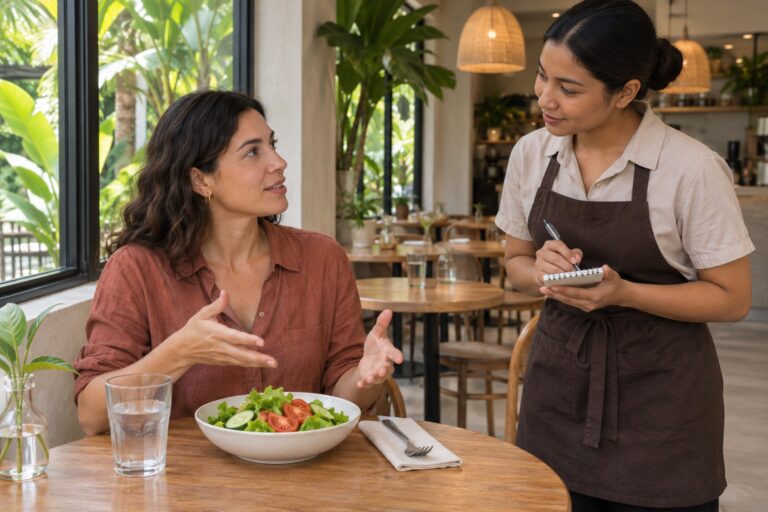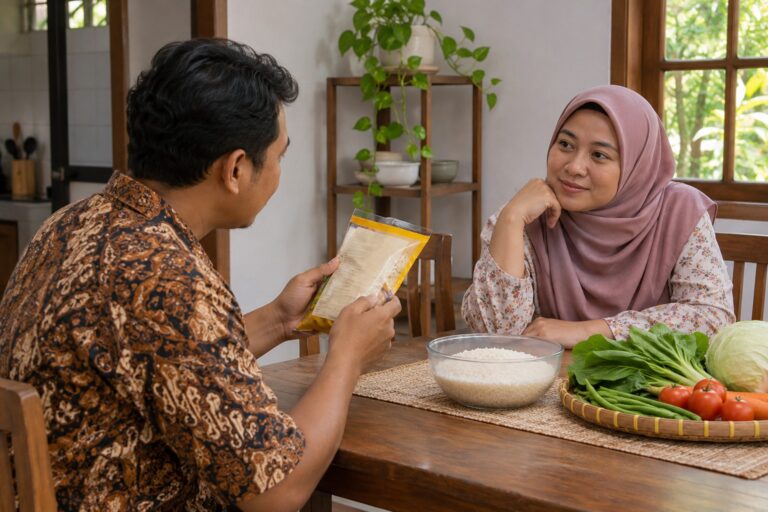

A restaurant replies that it can leave the noodles out. That helps, but you still do not know what goes into the sauce, whether the chicken is already marinated, or how the kitchen will prepare your order. The next step is to turn that promising reply into a specific meal plan.
Planning a gluten-free restaurant visit in Indonesia means checking three connected things: the ingredients in your chosen dish, how it will be prepared, and whether the arrangement can be communicated to the people serving you. A backup meal gives you room to change course when an important answer remains unclear.
This guide helps you organize that decision across restaurants, cafés, hotel dining rooms and smaller venues. It does not certify any establishment or determine your individual medical requirements.
Start with the needs you must communicate
Before choosing a venue, write down what your meal needs to exclude and what preparation questions matter to you. Include any separate food allergies or other dietary requirements. Use the guidance you already have from your healthcare professional where relevant; a restaurant conversation should communicate those needs accurately.
Gluten occurs in wheat, barley and rye, among related grains. Avoiding wheat alone does not cover every gluten source. Cross-contact can also transfer gluten during food preparation and serving. These basics are explained in the NIDDK guide to eating with celiac disease.
Describe your actual situation. If you have celiac disease, say so. If you have a wheat allergy, identify that separately rather than replacing it with a general gluten-free request. You do not need to invent an allergy or exaggerate a diagnosis to ask clear questions.
A short written note can help you stay consistent when speaking with a booking contact, a server and the kitchen. Keep the essential requirements easy to find instead of sending a long medical history.
Shortlist venues by the information you can obtain
Begin with the current menu and the restaurant’s own contact details. Look for a possible dish and a way to discuss its ingredients and preparation. A gluten-free menu can provide a useful starting point, but the conversation still needs to address your particular order.
Reviews and social posts may help you discover candidates. Record what they actually tell you: someone ate a certain dish on a particular occasion. They cannot establish what ingredients or kitchen arrangements will apply to your visit.
Contact the exact branch you intend to use. Ask whether someone familiar with the kitchen can discuss your request, and whether you should call at a quieter time. A detailed answer from another branch leaves your intended location unconfirmed.
Consider the practical setting as well. Can you ask questions before committing to a group booking? Is the menu fixed? Will food be served individually or from shared dishes? These details help you choose a setting where the necessary conversation is possible.
You do not need a long shortlist. A workable first option and a realistic alternative are easier to manage than a collection of unconfirmed recommendations.
Pick a dish to investigate, then trace its components
Ask about one or two possible meals rather than requesting an assessment of the entire menu. Start with the main ingredient, then work through marinades, sauces, stock, seasoning, coatings and toppings. Include accompaniments that might arrive automatically.
In an Indonesian menu conversation, useful items to clarify include kecap manis, kecap asin, bottled sauces, bumbu mixes, kaldu powder, sambal, flour coatings, crackers and crispy garnishes. These are questions about the kitchen’s actual products and recipes. Their names alone do not establish whether they contain gluten.
For example, a hypothetical order of grilled chicken with rice raises several distinct questions: has the chicken already been marinated, what is brushed on during grilling, what goes into the accompanying sauce, and what is added before serving? Asking for “no sauce” at the table would not explain an earlier marinade.
Use the following distinctions to keep the conversation focused:
| Menu description | What still needs clarification |
|---|---|
| Rice or rice noodles | Other ingredients, seasoning and preparation |
| Grilled fish or chicken | Marinade, basting sauce, cooking surface and garnish |
| Soup | Stock, seasoning, thickener, noodles and toppings |
| Fried food | Coating ingredients and fryer use |
| Vegetables or salad | Dressing, sauce, toppings and utensils |
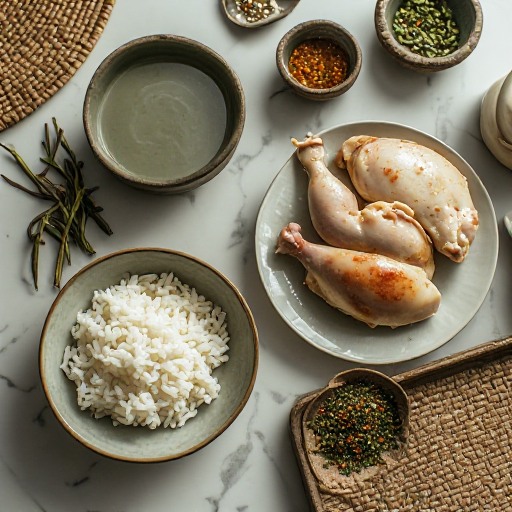
A simpler dish may be easier for staff to describe, but simplicity is a starting point for questions. It does not confirm suitability by itself.
When a packaged ingredient is central to the answer, ask whether staff can check the current container or ingredient list. Our guide to reading food labels for gluten in Indonesia explains that separate task. The restaurant visit still requires information about how those ingredients reach your plate.
Discuss preparation as well as the recipe
Once the ingredients are understood, ask how the kitchen would prepare that particular order. Keep the discussion tied to the cooking route: where preparation begins, which equipment is used, and how the finished meal is served.
Relevant questions may concern a cleaned preparation area, clean utensils and cookware, shared grills, or frying oil also used for coated foods. The Celiac Disease Foundation’s dining guidance identifies these as useful areas to discuss with restaurant staff.
Avoid turning the conversation into a demand that every item of equipment be described. Follow the dish. A fried item makes fryer use relevant; a noodle dish may require questions about cooking water, strainers and utensils. Ask what the kitchen can actually arrange rather than proposing a procedure and assuming it will happen.
Also clarify what can be changed. A kitchen may be able to omit a finishing garnish but unable to change a premixed sauce or an ingredient prepared earlier. Ask before treating an omission request as a complete solution.
The more detailed question list belongs in questions to ask a restaurant about gluten cross-contact. For planning the visit, your aim is to identify a meal whose ingredients and preparation can both be explained.
Send a message that invites a specific answer
Include the intended branch, visit date and candidate dish. State your requirement briefly, then ask the kitchen to clarify the main gaps. Give staff room to say that an arrangement is unavailable.

An English starting message could be:
Hello, I am planning to visit your [branch] on [date]. I need a gluten-free meal. Could someone from the kitchen help me check [dish], including its marinade, sauces, seasoning and toppings? I also need to understand which preparation areas, utensils and cooking equipment would be used. Please let me know if the kitchen cannot accommodate this request.
If Indonesian is more useful for the exchange, a starting message could be:
Halo, saya berencana datang ke cabang [lokasi] pada [tanggal]. Saya perlu makanan bebas gluten. Apakah saya bisa bertanya kepada staf dapur tentang [nama hidangan], termasuk bumbu rendaman, saus, bumbu tambahan, dan topping? Saya juga perlu mengetahui area persiapan, alat masak, dan peralatan yang akan digunakan. Mohon beri tahu jika permintaan ini tidak dapat dipenuhi.
These are communication examples, not medical translation cards or guarantees of understanding. Add your actual diagnosis or separate allergy only where applicable. If a term is unfamiliar, explain the ingredient or handling question in ordinary language and ask staff to describe their understanding.
Save the useful reply, including the dish and branch it concerns. A written record helps you repeat the arrangement on arrival; it cannot make the arrangement permanent.
Read the reply for what it actually resolves
A useful reply identifies ingredients or describes a preparation arrangement. General reassurance can be friendly while leaving your original question unanswered.
For instance, “we can remove the noodles” resolves one component. “There is no flour in the sauce” still needs context if you asked about a bottled seasoning or marinade. “The chef can help” is an invitation to continue the conversation, rather than confirmation of the finished order.
Separate the information into what staff have explained and what remains unknown. You might know that a sauce can be omitted but still lack an answer about the marinade. Ask about that remaining gap directly.
When answers conflict, request clarification from someone who can check the kitchen’s current practice. Avoid choosing whichever answer sounds most reassuring. The narrower process is covered in when restaurant staff give conflicting gluten-free answers.
A clear statement that the kitchen cannot accommodate your request is useful information. It lets you choose another meal arrangement before travel, booking commitments or hunger make the decision harder.
Confirm the arrangement when you arrive
Tell the server about your request before ordering, even if you discussed it during booking. Show the earlier message if helpful and confirm the dish, agreed changes and preparation arrangement with the staff working that service.
Ask whether anything relevant has changed or is unavailable. If a substitute sauce, side or cooking method is proposed, discuss it before accepting the change. An earlier answer applies to the arrangement described at that time.
For a group meal, make your order identifiable. Ask how the server will distinguish it and whether shared starters, condiments or serving utensils affect the arrangement. Let companions know which dishes and utensils should remain separate according to the plan you have agreed.
When the meal arrives, look for obvious differences from your order, such as an unexpected coating, garnish or sauce. If something is inconsistent, pause and ask staff to explain or replace the dish as appropriate. Picking off an unwanted item does not establish that the rest matches your preparation needs.
Appearance has limits: a plate that looks correct cannot reveal every ingredient or handling step. The useful check is whether the served meal matches the arrangement the kitchen explained.
Adjust the plan for buffets and food delivery
At a buffet, you also need information about serving and replenishment. Ask who can explain the dishes, whether serving utensils are shared, and whether a separately prepared and served option is available. Do not assume the person replenishing a tray knows every ingredient.
The detailed decisions about shared displays belong in ordering gluten-free at a buffet. At the planning stage, establish whether the venue can offer an arrangement that meets your needs before relying on buffet access as your meal plan.
For delivery, confirm that your request can reach the kitchen before ordering. A note field alone does not show that staff have read and accepted the request. If clarification is essential and no suitable communication route exists, use another arrangement. See communicating gluten-free food delivery requests for that specific process.
Keep a backup you can actually use
Choose your alternative before leaving. It might be another venue you have contacted, a meal at your accommodation, or suitable packaged food you already know how to assess. Check that the alternative fits your location and timing.
A snack can bridge a delay, but consider whether you also need access to a full meal. For a long outing, identify where and when that meal could happen. Follow the storage instructions for anything you carry, and ask the venue about its outside-food policy if you intend to eat your own food there.
Discuss the fallback with companions in advance. A simple agreement that you may eat elsewhere or change plans reduces the need to explain the whole situation while everyone is waiting to order.
Keep a short visit note with the branch, candidate dish, key answers, unresolved questions and backup. On a return visit, use that note to reopen the conversation rather than assuming the earlier arrangement still applies.
A workable restaurant plan ends with a clear next step: order the meal the kitchen has explained, clarify a remaining gap, or use your alternative. Having that choice available is what makes preparation useful.
This article provides general dining information, not individualized medical advice or restaurant certification. Follow professional guidance for your own dietary and allergy needs.