

The order screen has a space for special instructions. You type “gluten-free, please,” but still need to know whether anyone can check the marinade, explain the cooking equipment or contact you before replacing an unavailable ingredient.
For gluten-free food delivery, resolve those questions before committing to the order wherever possible. The useful confirmation concerns one specific meal from the branch preparing it: what it contains, how it will be handled and what happens if the agreed arrangement changes.
Contact the kitchen before placing the order
Choose a candidate dish and contact the exact restaurant branch shown for delivery. Ask whether someone familiar with its ingredients and preparation can discuss your request before you order. If you cannot identify the preparing branch, keep that uncertainty unresolved rather than relying on an answer from another location.
Explain your actual dietary requirement. Mention celiac disease if applicable, and identify a separate wheat allergy or other allergy accurately. You do not need to invent a diagnosis to ask clear questions.
Gluten occurs in wheat, barley and rye, and cross-contact can introduce it into otherwise gluten-free food during handling. The NIDDK dietary guide explains these distinctions and recommends discussing ingredients and preparation with restaurant staff.
For the wider process of choosing a venue and identifying a possible meal, see planning a gluten-free restaurant visit in Indonesia. Delivery adds a narrower task: carrying the agreed request through ordering, packing and handover.
Ask about the complete dish
Start with one meal rather than asking whether the entire menu is gluten-free. Include the main ingredient, marinade, cooking sauce, seasoning, stock, coating, garnish and accompanying condiments.
For an Indonesian menu, useful questions may concern kecap manis, kecap asin, bumbu mixes, kaldu powder, sambal, crackers or crispy toppings. Their names identify components to investigate; they do not establish the ingredients in the restaurant’s actual products. Ask staff to check current packaging when a bottled sauce or seasoning determines the answer.
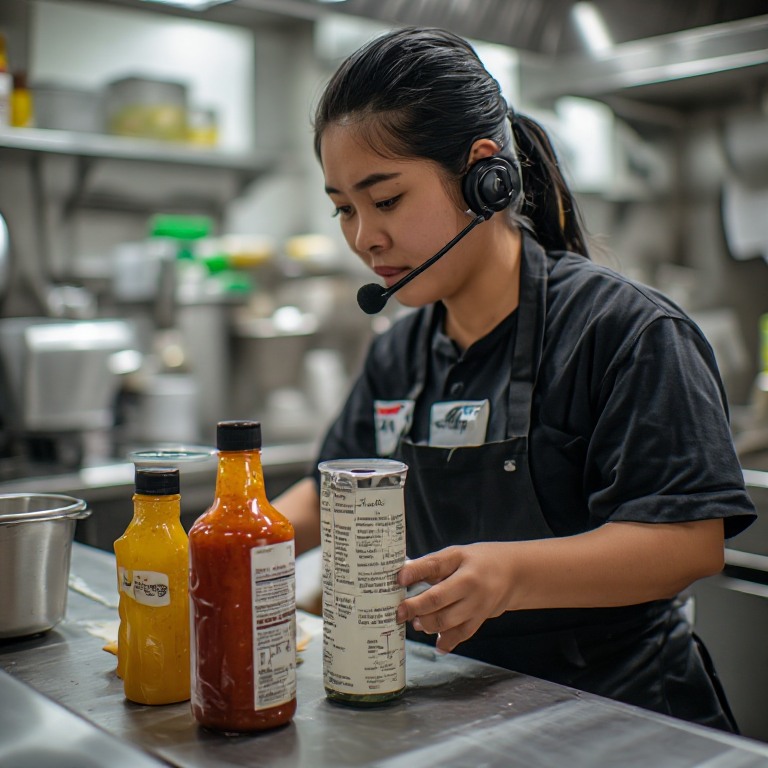
Clarify when each component is added. A request to leave off sauce does not address sauce already used in a marinade. Similarly, removing a garnish after plating does not explain how the portion was originally prepared.
Then follow the dish through its preparation. Ask which utensils, cookware and preparation area would be used. For fried food, ask whether the oil is also used for gluten-containing coated foods. Keep the questions relevant to the meal rather than asking staff to describe every appliance. The Celiac Disease Foundation’s dining guidance supports discussing menu choices and cross-contact concerns with the restaurant ahead of time.
Send a request staff can answer
A useful message identifies the dish, branch and intended order time, then asks for information instead of a general promise. You can adapt this English example:
Hello, I would like to order [dish] for delivery from [branch] at about [time]. I need a gluten-free meal. Could someone from the kitchen check the marinade, sauces, seasoning, coatings and toppings, and explain the preparation arrangements? Please confirm what can be provided before I place the order. If an ingredient or side is unavailable, please contact me before making a substitution. Let me know if the kitchen cannot accommodate the request.
An Indonesian starting version is:
Halo, saya ingin memesan [hidangan] untuk diantar dari cabang [lokasi] sekitar pukul [waktu]. Saya memerlukan makanan bebas gluten. Apakah staf dapur dapat memeriksa bumbu rendaman, saus, bumbu tambahan, bahan pelapis, dan topping, serta menjelaskan cara penyiapannya? Mohon konfirmasi sebelum saya memesan. Jika bahan atau lauk pendamping tidak tersedia, mohon hubungi saya sebelum menggantinya. Mohon beri tahu jika permintaan ini tidak dapat dipenuhi.
These are conversation examples, not medical translation cards. Add your actual diagnosis or separate allergy where relevant. If “gluten-free” is unfamiliar to the person replying, clarify the ingredient and handling questions in ordinary language and ask them to explain what they can arrange.
Use the app note to repeat the agreement
Check which communication options are available for your order. If the app does not let you obtain a kitchen reply before payment, consider contacting the branch directly. Do not treat a submitted note, an automated acknowledgement or an order acceptance message as an answer to preparation questions.
Once the restaurant has explained a workable arrangement, ask how to connect that conversation to your order. Staff might ask for an order reference after submission. Share only the details needed to identify the correct meal, and keep the useful reply available.
A short order note could read:
Gluten-free request discussed with [staff/contact] at [time] for [dish]. Agreed changes: [changes]. Please confirm the preparation arrangement with the kitchen. No substitutions without contacting me on [contact method].
Fill this in only with arrangements actually discussed. If the note field is short, ask staff which identifying details they need and use another available channel for the full agreement. Avoid squeezing the request into an abbreviation that leaves its meaning unclear.
A courier can help with collection or locating the order, but ingredient and preparation questions need an answer from the restaurant. Ask the branch how it will identify your package at handover.
Agree on substitutions and packing
Before ordering, decide what should happen if the confirmed dish cannot be supplied. Ask whether staff can contact you before changing a sauce, side, protein, garnish or cooking method. Explain whether you want to discuss an alternative or stop that meal from being prepared while you decide.
Check the ordering service’s applicable cancellation and refund terms separately. A request to contact you does not establish a right to cancel or guarantee reimbursement.
For a group order, ask for your meal to be packed in its own identifiable container, with unconfirmed crackers, sauces and garnishes left out. If a checked condiment is supplied separately, ask how staff will distinguish it from the other portions.
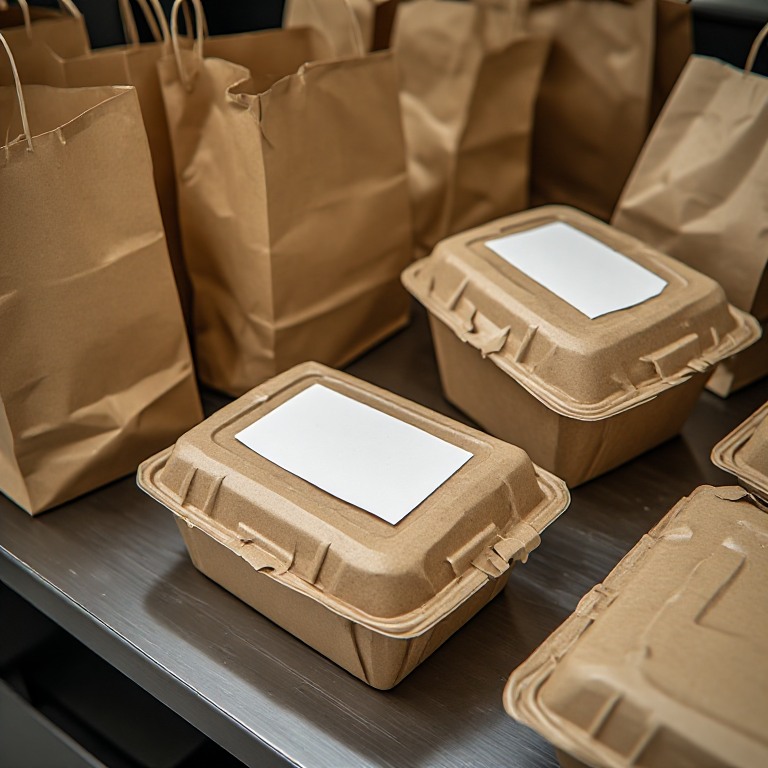
Separate packaging helps identify the meal during handover; it cannot establish what happened during cooking. Keep ingredient, preparation and packing answers distinct.
Read the reply for the gaps that remain
“We can remove the noodles” answers a question about noodles. It leaves the sauce, seasoning and preparation open. “We have gluten-free options” identifies a starting point, but still needs to be connected to the dish you intend to order.
Follow up on the remaining gap directly: “Thank you. Has the chicken already been marinated, and can someone check the marinade ingredients?” Give staff room to say they cannot establish an answer.
If replies conflict, pause the order and ask someone familiar with the kitchen’s current practice to clarify. The companion guide to when restaurant staff give conflicting gluten-free answers addresses that situation in more detail.
When an important question remains unanswered, choose another meal arrangement rather than filling the gap with reassurance. Keep a practical backup available so that delivery timing does not force the decision.
Check that the delivered meal matches the agreement
Before eating, compare the package with the confirmed order. Check its identifier, sides, sauces and any unexpected additions. If the contents differ, contact the restaurant to establish what changed. Picking off an unexpected topping does not resolve the meal’s preparation history.
Appearance, a closed lid or a gluten-free note cannot verify ingredients or handling. The useful record is the specific arrangement the restaurant described, together with an order that matches it. If those no longer agree, return to the unanswered question before deciding whether to eat.
This is general dining communication guidance, not a determination that a particular meal meets your individual medical requirements.