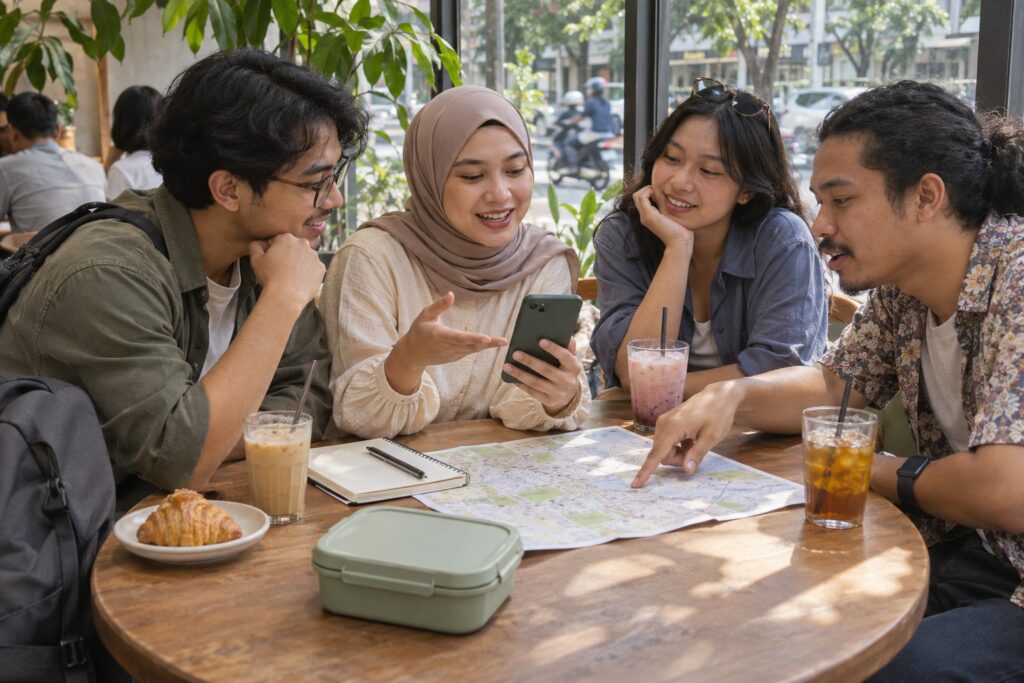
Your friends have agreed to spend the day together, but the food plan is still “we’ll find somewhere.” If you need a gluten-free meal, that leaves several decisions until everyone is hungry: where to eat, how long the group can wait and what happens if the first venue cannot answer your questions.
A useful gluten-free meal plan for a group outing gives friends enough information to coordinate while leaving you in control of your own food decision. It does not require everyone to eat the same thing or disclose private health information.
Start the conversation before the venue is fixed
Raise the meal plan while the group can still choose between places or adjust the schedule. A private message to the organizer can be a comfortable starting point if you do not want to explain your requirements in the group chat.
Describe the practical need first: you will need time to check a meal’s ingredients and preparation, and a backup if those details cannot be established. Share a diagnosis only if it applies and you choose to do so. If you also have a wheat allergy or another requirement, communicate it separately rather than assuming “gluten-free” covers everything.
You might write:
I’m looking forward to the outing. I need a gluten-free meal, so could we choose the food stop early enough for me to ask a few questions? If the first place cannot accommodate my needs, I may bring food or suggest another nearby option. I’ll let you know what I can confirm.
Ask who is making the booking and when a decision is needed. If a friend is collecting suggestions, offer to check a candidate venue yourself or agree who will contact it. That avoids several people making the same call or assuming someone else has done it.
For the broader choices involved in shared events, see planning gluten-free meals at family gatherings and shared events. Here, the focus is coordinating an outing with friends.
Agree on a venue decision, not just a suggestion
A group can shortlist a place because it suits the route, budget and other preferences, then leave the food decision open until the relevant questions have been answered. Agree on a time to decide and identify a second option before anyone makes a nonrefundable commitment.
For example, friends planning a day around a museum might consider a restaurant near the venue and a picnic area on their route. The restaurant is the first choice if its answers meet the diner’s needs; the picnic is an alternative if everyone can bring or obtain a suitable meal. This is a hypothetical arrangement, not a recommendation for a particular location.
Ask the venue about the proposed meal’s ingredients and how it is prepared and served. The NIDDK guide to eating with celiac disease explains that gluten cross-contact can occur during preparation and serving, and suggests asking restaurants about ingredients and preparation. A menu description alone does not explain those details.
Read more: Makan Bersama di Luar Rumah.
Keep the group update brief and accurate: “I’ve asked about the meal and am waiting for a preparation answer” is more useful than “the place is safe.” If the answer is incomplete, decide whether there is time to clarify it. Friends can help by keeping the alternative open; they do not need to interpret the answer on your behalf.
Put meal timing into the outing plan
Agree when and where the group expects to eat, how long the stop allows and what happens if the activity runs late. A reservation time may work on paper but leave little room to speak with staff or arrange another meal if the journey takes longer than expected.
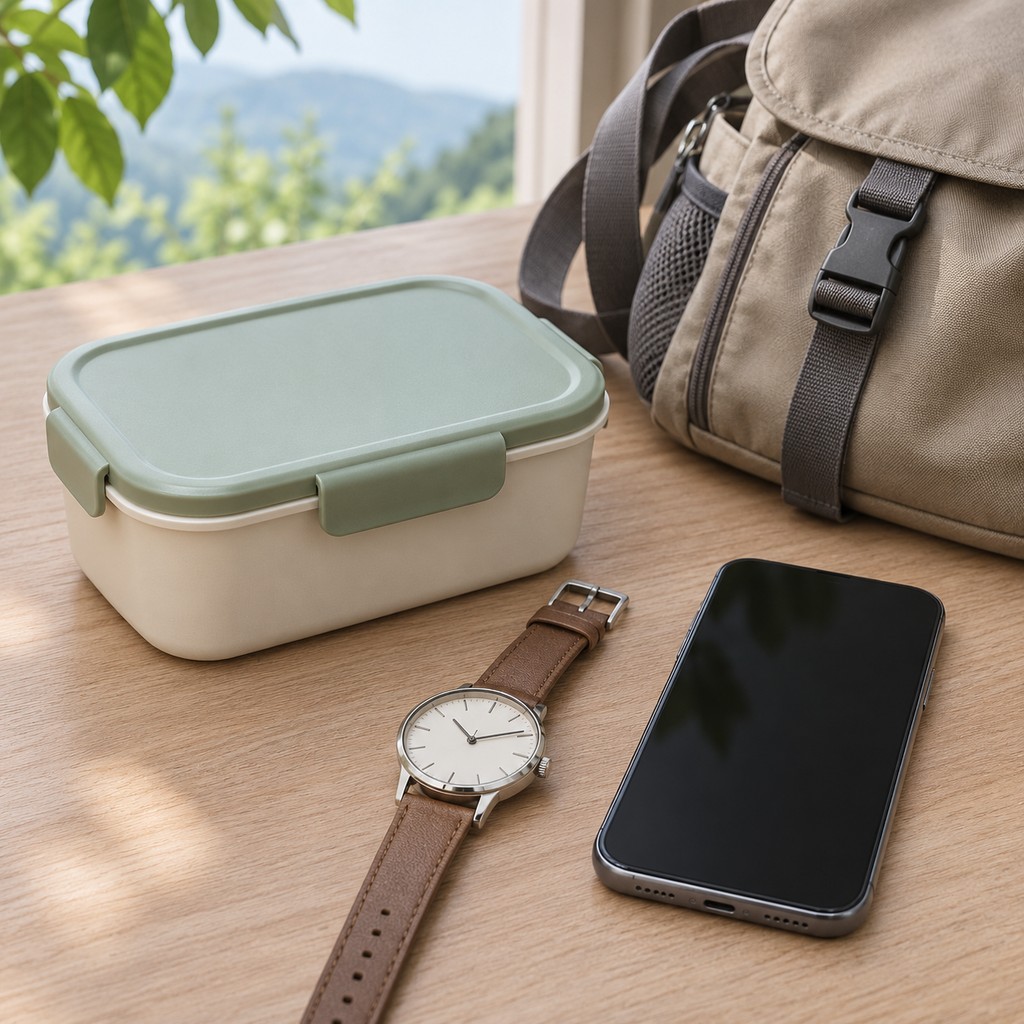
Consider the time before and after the main meal as well. If the group meets early and eats late, a snack assessed for your own needs may bridge the gap. For a longer outing, decide whether the backup needs to be a complete meal rather than just something small.
A shared itinerary can be simple:
- Meeting point and time: where everyone joins the outing.
- Meal window: the planned stop and how much flexibility the group has.
- Food arrangement: restaurant meal, personal packed meal or another agreed approach.
- Decision point: when the group will switch plans if the venue cannot be confirmed.
- Contact: who will update the group if timing or the booking changes.
If people will split up, agree where and when to meet again. Someone bringing a separate meal should still know whether the group plans to eat together and whether there is an appropriate place for that meal.
Make the backup independent and practical
Choose an alternative you have assessed for your own requirements and can actually use on the day. That might be a packed meal, food from a separately checked source or eating before or after the group’s restaurant stop. The best choice depends on the duration of the outing and what the venue permits.
If you bring food, ask in advance whether outside food is allowed where the group intends to sit. Check what storage or reheating facilities are available only if your meal depends on them, and follow the food’s storage instructions during transport. If outside food is not permitted, arrange another suitable place and time to eat rather than assuming an exception.
Tell friends what affects their plan without asking them to manage your food: “I’ll bring my lunch and join you at the picnic tables” or “I’ll eat beforehand and meet you for the afternoon activity.” If a friend offers to bring something for you, discuss the actual ingredients and handling with them before relying on the offer.
A backup is also useful when the venue confirms some details but cannot answer a question that matters to you. You can thank staff for checking and choose the alternative without asking them to promise more than they know.
Read more: Merencanakan Liburan Bersama dengan Kebutuhan Berbeda.
Send one shared plan and keep changes visible
Once the details are agreed, summarize them in the group’s usual channel. Keep private dietary details out of the message unless you want to share them. For example:
Saturday: meet at [place] at [time]. We plan to eat at [venue] around [time]. I’m checking whether the proposed meal meets my needs and will update everyone by [decision time]. If it does not work, we’ll [agreed alternative]. Please post here if the booking or schedule changes.
Only describe an arrangement as confirmed when the relevant person has confirmed it. A friend’s message that they “asked the restaurant” is a starting point; find out what the restaurant actually said and what remains unanswered.
If the venue, booking time or proposed food changes before the outing, revisit the affected part of the plan. A response about one dish or location does not establish the details of a replacement. On arrival, communicate your needs to staff and confirm the order before eating; Coeliac UK’s eating-out guidance also recommends discussing requirements and preparation with the venue.
The plan has done its job when everyone knows where to meet and when to eat, while you know which food arrangement you can use and what you will do if it falls through.