A dish can leave home with its ingredients checked and still become difficult to use once it reaches a crowded potluck table. A guest may move a serving spoon, add a garnish, or place bread on the same platter without knowing why the arrangement matters.
When bringing a gluten-free dish to a potluck, decide in advance which food is for sharing and whether you also need a portion kept apart. Then agree with the host on the handoff, serving tool, and storage. A short, specific conversation can make those arrangements easier for everyone to follow.
For the wider decision about meals at gatherings, including host-prepared food and alternatives, see planning gluten-free meals at family gatherings and shared events. Here the focus is the dish you bring and what happens after it arrives.
Decide what the dish needs to do
A contribution for everyone and a dependable meal for yourself do not have to be the same container. Think about how much control you will have once guests begin serving themselves.
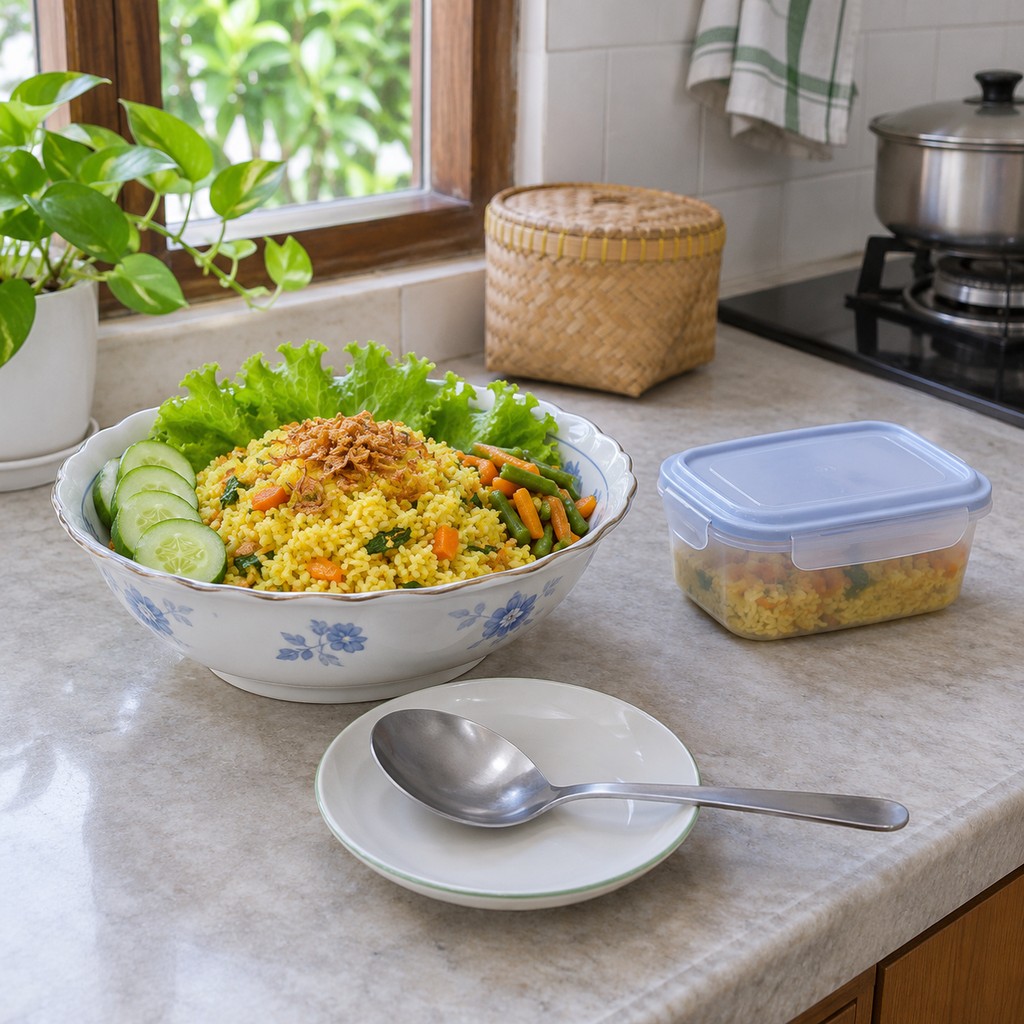
You might bring a shared dish and reserve a personal portion in a separate closed container before the food reaches the table. If the contribution is only a side dish, decide whether the reserved portion is enough for your meal or whether you also need other food. Agree with the host where your container will be kept and who may handle it.
Another option is to bring individual portions for sharing. These can make the handoff clearer, although their ingredients, preparation, storage, and handling still need attention. If you prepare food for another guest with a gluten-free requirement, ask what they need rather than assuming your usual choices answer their questions. Other allergies or dietary restrictions need their own discussion.
Prepare and pack for the handoff
Choose a dish whose ingredients and handling you can explain. Check the current packages of sauces, stock, seasonings, and other components you use; keep the packaging or ingredient information available if guests may ask. If an ingredient is uncertain, resolve the question before describing the finished dish as gluten-free.
Plan the preparation around clean equipment and work surfaces and the actual food being made. Gluten can reach food through cross-contact during preparation or serving, as the NIDDK explains in its celiac disease dietary guidance. A checked ingredient list and a handling plan answer different questions.
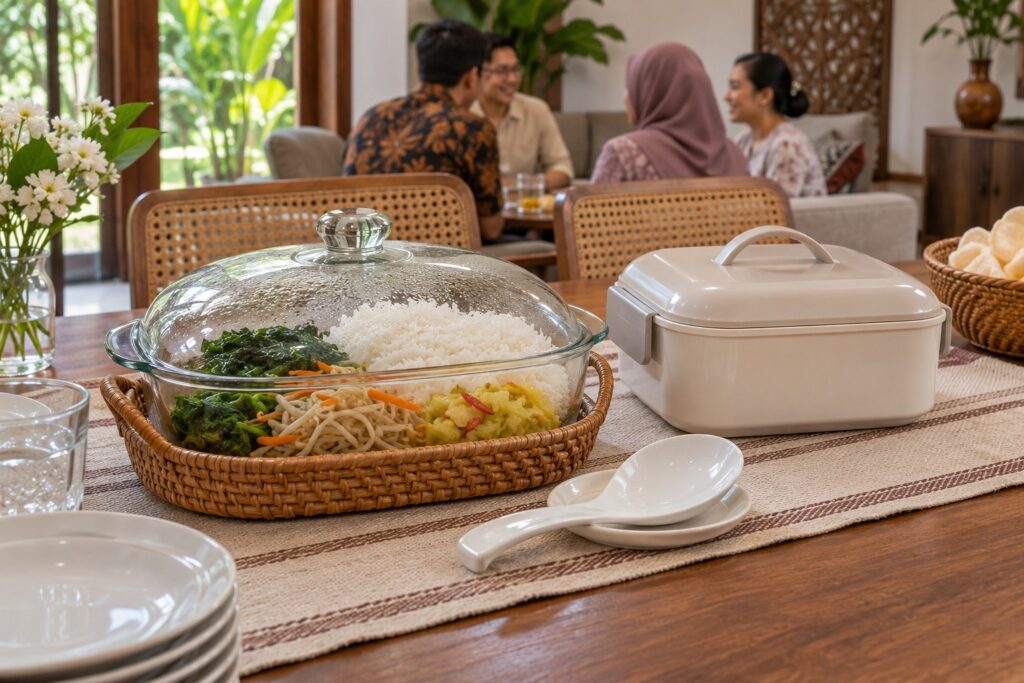
Pack the serving utensil with the dish so the host does not need to find one at the last minute. If you reserve a personal portion, close it separately before communal service and make its purpose clear to the host. Carry sauces, toppings, or garnishes separately when that makes their ingredients and use easier to explain.
Before leaving, confirm whether the dish needs refrigeration or heating and whether the venue can provide it. A gluten-free arrangement also needs ordinary food-safety handling. FoodSafety.gov recommends refrigerating perishable food within two hours, or within one hour when exposed to temperatures above 32°C. Include the journey and time at the table when planning; use appropriate cold or hot holding and follow the food’s storage instructions.
Agree on a serving arrangement with the host
Find the person who will set out or supervise the food. Show them the dish and utensil, explain any reserved container, and ask where each should go. If someone else will manage service later, ask the host to pass the arrangement on.
A simple request can be specific without asking the host to manage the entire table:
“This dish is for everyone. Could its spoon stay with this dish, and could it be placed separately from the bread? This closed container is my reserved meal; please keep it aside for me.”
Positioning the dish away from bread, crackers, and dishes with loose crumbs can make the arrangement easier to maintain. Give it its own clean utensil and a place to rest that utensil. Placement alone cannot establish what happened during preparation or prevent every guest from moving a spoon.
If space is limited, consider asking the host to serve the dish or keep it covered until people are ready to eat. The arrangement should be one the host can realistically maintain, not a rule that depends on someone watching every guest throughout the event.
Make sharing instructions easy to understand
A label can identify the dish and direct questions to you, but it cannot explain the whole preparation history or confirm that every guest can eat it. A short ingredient list can help people start a conversation; avoid making an unverified claim about allergens or another person’s needs.
When serving begins, tell nearby guests which spoon belongs to the dish. If condiments or toppings are available, keep the ones intended for your dish separate and provide their own utensils. A shared jar or bowl may already have been used with other food, so ask about its handling rather than assuming it is suitable.
For example, at a family gathering in Indonesia, you might bring a rice dish with a sauce on the side. Tell the host which sauce you used, keep its spoon with that container, and check the current packaging of any kecap or seasoning involved. A familiar name or appearance does not establish the ingredients of a particular product.
Respond when the arrangement changes
If a spoon used in another dish is placed in yours, ask what it touched and whether the food’s handling can still be established. Replacing the spoon does not answer what happened to the food already served. Likewise, removing a visible crumb does not establish that the rest of the dish meets your needs.
If the answer is uncertain, you can stop using the communal dish and eat the separately reserved portion or another meal you have assessed. If someone adds an unplanned sauce or garnish, ask about that ingredient and its handling before deciding whether the dish still works for you. Let the host know what changed so they can answer other guests accurately.
The aim is to make the contribution easy to share while keeping your own meal decision clear. A reserved portion, an identifiable utensil, and a brief handoff give everyone a practical arrangement to follow, even when the rest of the table is busy.