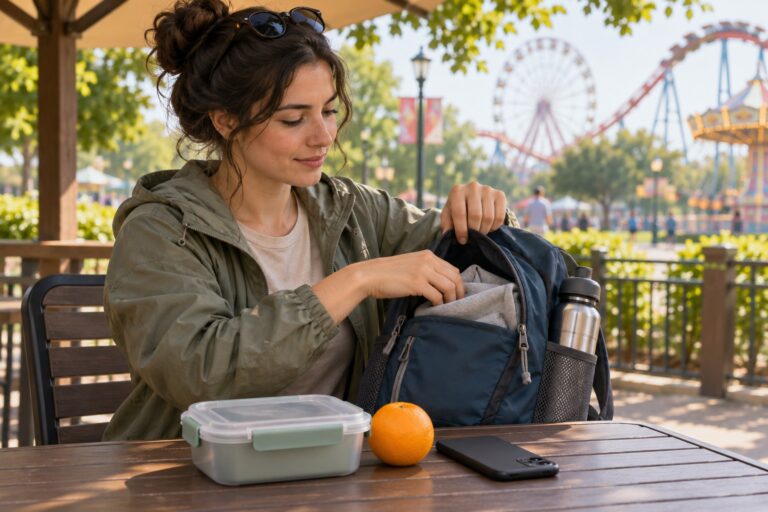

A restaurant saved on your phone may look promising until you place it beside your itinerary. It could be inconvenient for your hotel, outside the attraction you are visiting, or unavailable by the time you arrive. A useful Orlando meal plan connects the food option with the place and time you can actually use it.
When planning gluten-free meals in Orlando for a visit from Indonesia, begin with your first evening, breakfast arrangements and days with limited flexibility. Then investigate a small number of dining options around those commitments. You need enough information to make decisions, alongside alternatives for arrangements that remain uncertain.
For the wider journey, including connections and transport, see our framework for planning gluten-free travel from Indonesia. This guide concentrates on meals during your Orlando stay.
Build the meal plan around your actual itinerary
Write down your accommodation address and the places you expect to visit each day. Separate meals near your accommodation from meals inside an attraction and meals you would need to travel elsewhere to obtain. Check the route using your intended transport rather than judging convenience from a restaurant’s Orlando address alone.
For each important meal, record a first option, the question still unanswered and an alternative you could realistically use. A hypothetical planning sheet might look like this:
| Meal situation | Arrangement to investigate | Alternative to establish |
|---|---|---|
| Arrival evening | Accommodation dining or a nearby venue | Another reachable meal if arrival is delayed |
| Breakfast | A specific hotel arrangement or food you obtain locally | A breakfast that does not depend on the buffet |
| Attraction lunch | A venue inside the place you are visiting | Another accessible venue or permitted carried food |
| Rest-day dinner | A restaurant near your accommodation | Food you can prepare using confirmed facilities |
Keep the alternative independent where practical. Two restaurants that require the same unavailable transport do not solve that transport problem. Likewise, a backup that needs cooking equipment is useful only after you have confirmed access to that equipment.
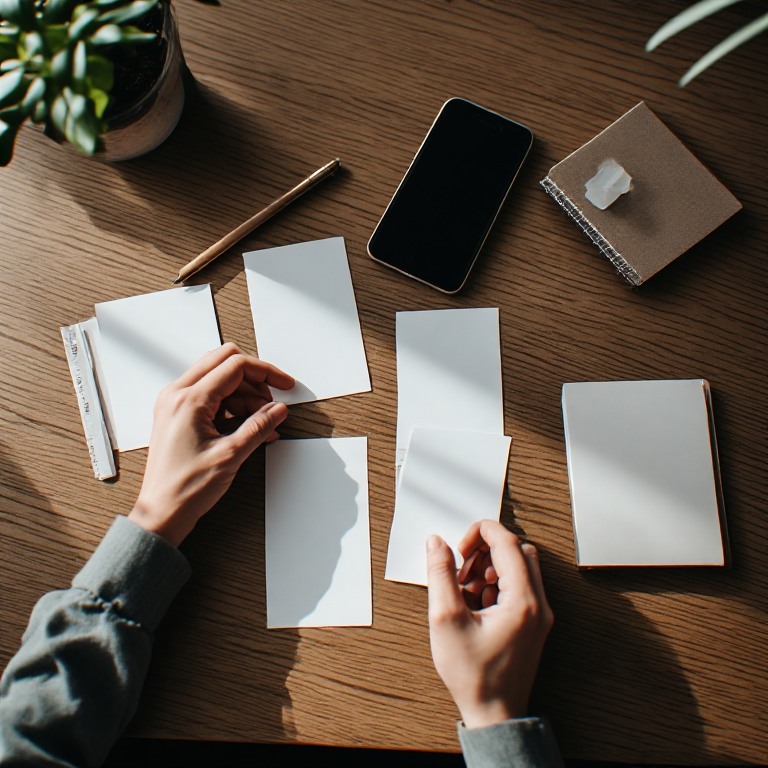
Plan the first evening with particular care. Ask the accommodation what food arrangements remain available after your expected arrival, and what happens if you arrive later. Check the exact branch’s current hours before relying on a nearby restaurant or shop. Avoid making dinner depend on completing a substantial grocery trip immediately after landing.
Research a short, location-specific dining list
Use reviews and gluten-free recommendations to discover candidates, then move to the venue’s own current menu and contact information. Save the exact location, a possible dish and the date of any reply. A recommendation for another branch does not establish the ingredients or preparation arrangements at the branch you intend to visit.
Work through one candidate meal rather than asking whether the entire restaurant is gluten-free. Ask about its sauces, marinades, coatings, seasoning and accompaniments, then how that order would be prepared and served. Cross-contact means gluten can reach food through handling or shared equipment; the NIDDK guide to eating with celiac disease explains why ingredients and preparation both matter.
Useful questions follow the dish. For a fried item, ask what else uses the fryer and oil. For a grilled meal, ask about the marinade, cooking surface and utensils. For a sandwich, ask about the bread and preparation equipment. A gluten-free menu entry gives you a candidate to discuss; it does not answer all those questions.
Record replies narrowly. “We can omit the sauce” resolves that proposed change. It leaves the marinade unanswered unless staff address it separately. If an important detail remains unknown, retain that uncertainty and consider another meal rather than interpreting a friendly response as confirmation.
Treat theme-park meals as their own arrangements
If your itinerary includes Walt Disney World or Universal Orlando, research the dining options within the particular park or location you will visit. Check whether reaching a restaurant fits your admission arrangements, reservations and day’s schedule. A venue elsewhere in the resort may not be a practical lunch option.
See others: Perjalanan Malam atau Siang: Cara Menilai Penghematan Menginap dan Waktu Istirahat
Walt Disney World
Disney’s Special Dietary Requests guidance identifies gluten among the ingredients its table-service and quick-service restaurants will do their best to accommodate requests to avoid. It also states that requests cannot be guaranteed. Use that guidance to begin a conversation about your selected location and meal.
Disney describes an advance-contact process for certain more complex dietary needs and limits that process to Disney-owned and operated restaurants. Read the current criteria if they apply to your circumstances; do not assume every restaurant associated with a Disney visit follows the same process. On arrival, communicate your requirements to the staff assisting with your order.
Universal Orlando
Universal’s official dining FAQ states that its full-service restaurants can accommodate special dietary needs and encourages guests to research menus or discuss needs with a manager or chef on-site. That is an operator statement about accommodation, rather than confirmation of a particular dish’s ingredients or preparation.
Choose candidate venues before the visit, then ask how your actual order would be handled. Keep quick-service outlets and temporary offerings as separate enquiries rather than extending the full-service statement to every food location.
For either resort, establish the current rules before relying on food brought from outside. Check permitted food, containers and any cooling arrangements directly with the attraction. Leave time in the schedule for the dietary conversation, and tell companions that your meal may require a different ordering process.
Arrange groceries and breakfast before they become urgent
Identify a food shop you can reach from your accommodation and check its current hours. If you plan to use delivery, confirm that the property accepts it, where you would collect it and what happens if you are away when it arrives. An online product listing is a lead; the product delivered and its current package still need to match your requirements.
For FDA-regulated packaged foods in the United States, “gluten-free” is a voluntary claim with defined requirements, including gluten below 20 parts per million. The FDA’s gluten-free labeling questions and answers explains the rule’s scope. This is a US labeling framework, not a rule to apply automatically to products sold in Indonesia.
Read the current package rather than relying on a familiar brand name or an older photograph. Choose a few breakfast and backup options whose labels you can assess and whose storage needs fit your accommodation. Avoid building the plan around a particular product until its availability is established.
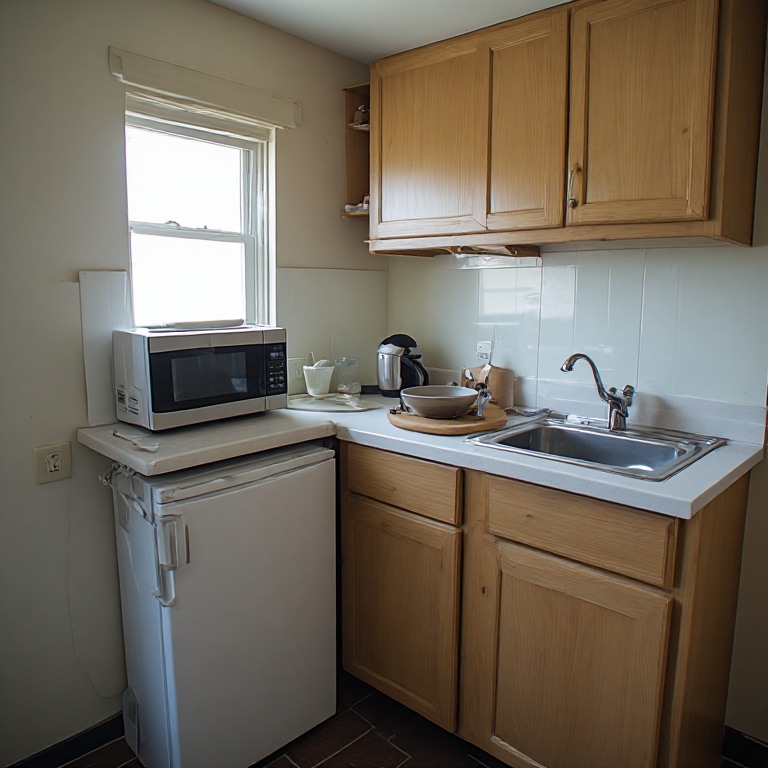
Ask the property about the exact room type: refrigerator, microwave, sink, cookware and any shared equipment you intend to use. A room described as having a kitchenette still needs those details. The planned guide to choosing travel accommodation for gluten-free self-catering covers the booking decision in more depth.
If breakfast is included, ask what can be supplied and how your portion would be prepared and served. Keep a separate breakfast option if the answers do not resolve your requirements. Paying for breakfast does not make it an arrangement you must use.
Prepare a short English message with your actual requirements
Before leaving Indonesia, save a message you can adapt for restaurants and accommodation staff. Include your real dietary needs and any separate allergies. If halal food or another restriction also matters to you, ask about it explicitly; do not assume a gluten-free request communicates it.
A starting message could be:
Hello, I will be visiting [location] on [date] and need a gluten-free meal. Could someone familiar with the kitchen help me check [dish], including sauces, marinades, seasoning and toppings? Please explain the preparation area, utensils and cooking equipment that would be used, including shared fryers where relevant. I also need [separate requirement, if applicable]. Please let me know what cannot be accommodated or confirmed.
Add celiac disease or a wheat allergy only if it accurately describes your situation. This is a conversation example, not a medical translation card. Save the useful reply with the location and dish, then confirm the arrangement with the staff working when you arrive.
When ordering, ask how your meal will be identified. Discuss proposed substitutions before accepting them, especially if they change a component or preparation method you previously checked. An earlier message helps explain the arrangement; it cannot ensure that every detail remains unchanged.
Keep the arrival backup separate from your flight food
Food packed in Indonesia may help during the journey, but do not assume everything remaining in your bag can enter the United States. US Customs and Border Protection requires travelers to declare all food. The USDA’s guidance for travelers arriving from another country provides information about agricultural products and restrictions.
Check the actual items you intend to carry, including their ingredients and origin. Keeping a product unopened does not itself establish permission to bring it into the country. This guide does not confirm admission for any specific Indonesian snack or prepared meal.
For the flight arrangements, use gluten-free airline meals: what to confirm before flying from Indonesia. Keep a separate destination plan that remains workable if your carried food is finished or cannot be brought through entry.
Before departure, aim to know where your first Orlando meal could come from, how breakfast will work and which dining conversations belong to your attraction days. Leave room to change a dish or venue when an answer remains incomplete. A manageable plan gives you that flexibility without making every meal a new research task.
This guide supports general travel and dining planning. It does not certify venues or replace individual guidance from an appropriate healthcare professional.