A specialty loaf or packet of gluten-free pasta can be useful, but it does not have to be the starting point for every meal. A shopping list built around rice, vegetables, eggs or other familiar ingredients may give you more ways to assemble meals with fewer substitute products to buy.
Keeping gluten-free grocery costs manageable starts with a different question from “What is the cheapest gluten-free product?” Ask what you will use, how many meals it can support and what you need to know about its ingredients and handling. Prices and availability vary, so the goal is a basket that works for your household rather than a promised saving.
Start with meals, then make the list
Before shopping, look at the meals you realistically expect to prepare. Note the days when you have time to cook and the days when you need something simpler. Choose a few combinations that share ingredients without requiring every meal to taste the same.
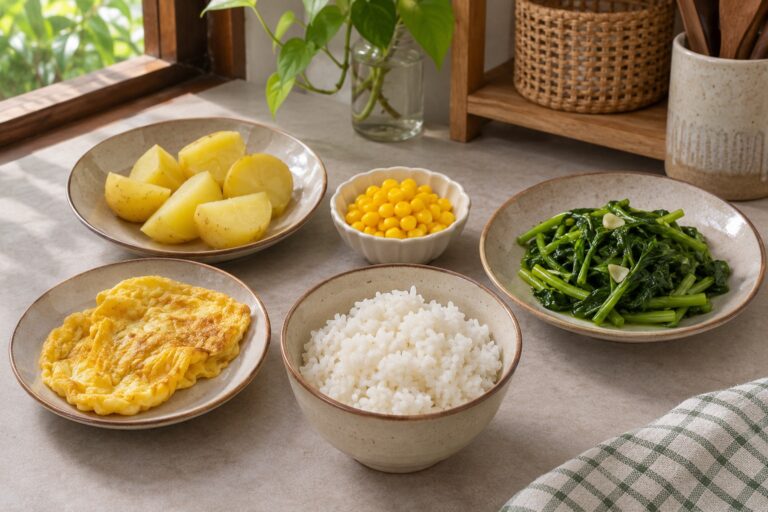
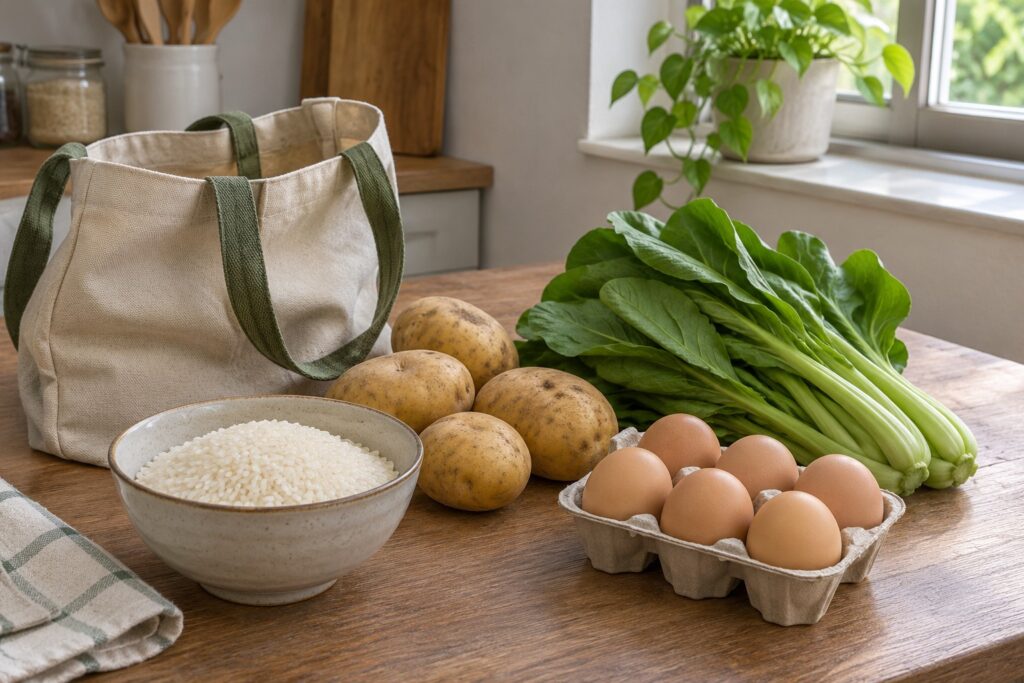
For example, a hypothetical list might include plain rice, eggs, greens, fish and a seasoning you have checked. The rice could accompany eggs and greens on one day and fish and vegetables on another. The example is a way to plan purchases, not a complete meal plan or a guarantee about any particular product.
Check what you already have before adding items to the list. A sauce, packet of rice or bag of vegetables is useful only if it still fits your needs and you can use it within its storage instructions. Write down the missing components as well as the main ingredients: a planned meal may depend on an oil, seasoning or accompaniment that is not yet in the cupboard.
A flexible list can name a category rather than a particular item. If the vegetable you planned is unavailable or more expensive than expected, choose another you know how to use and can assess. Keep any substitution within your dietary requirements rather than making the decision on price alone.
Build around everyday ingredients you can assess
Plain rice, potatoes, fruit, vegetables, meat and fish without additions are examples of foods that are naturally gluten-free. The National Institute of Diabetes and Digestive and Kidney Diseases distinguishes these foods from products with added ingredients and explains that gluten can also reach food through cross-contact.
That distinction matters at the shelf. A whole potato and a packet of seasoned potato wedges may serve a similar purpose, but the packet has a formulation and handling history to consider. Likewise, plain rice and an instant rice meal with seasoning sachets do not present the same questions. Read the current packaging, including the ingredients and relevant gluten-free information, and contact the manufacturer if information needed for your decision is unclear.
For more ways to use these bases, see using rice, potatoes and other staples in gluten-free meals. The shopping question here is narrower: which ingredients will give you useful options at a price and quantity that make sense for you?
Consider how the food is sold, too. If a product is scooped from a shared open bin, ask about the equipment and handling if that information matters to your requirements. A familiar ingredient name does not explain whether the scoop has also been used for a gluten-containing food. If the answers are insufficient, choose an alternative you can assess.
Compare the cost of what you can actually use
A larger pack may have a lower price per kilogram while costing more at checkout. It is only a useful comparison if you can afford the upfront price, store the food appropriately and use enough of it. Compare the unit prices shown on the shelf, or divide the pack price by its weight or volume when comparable information is available.
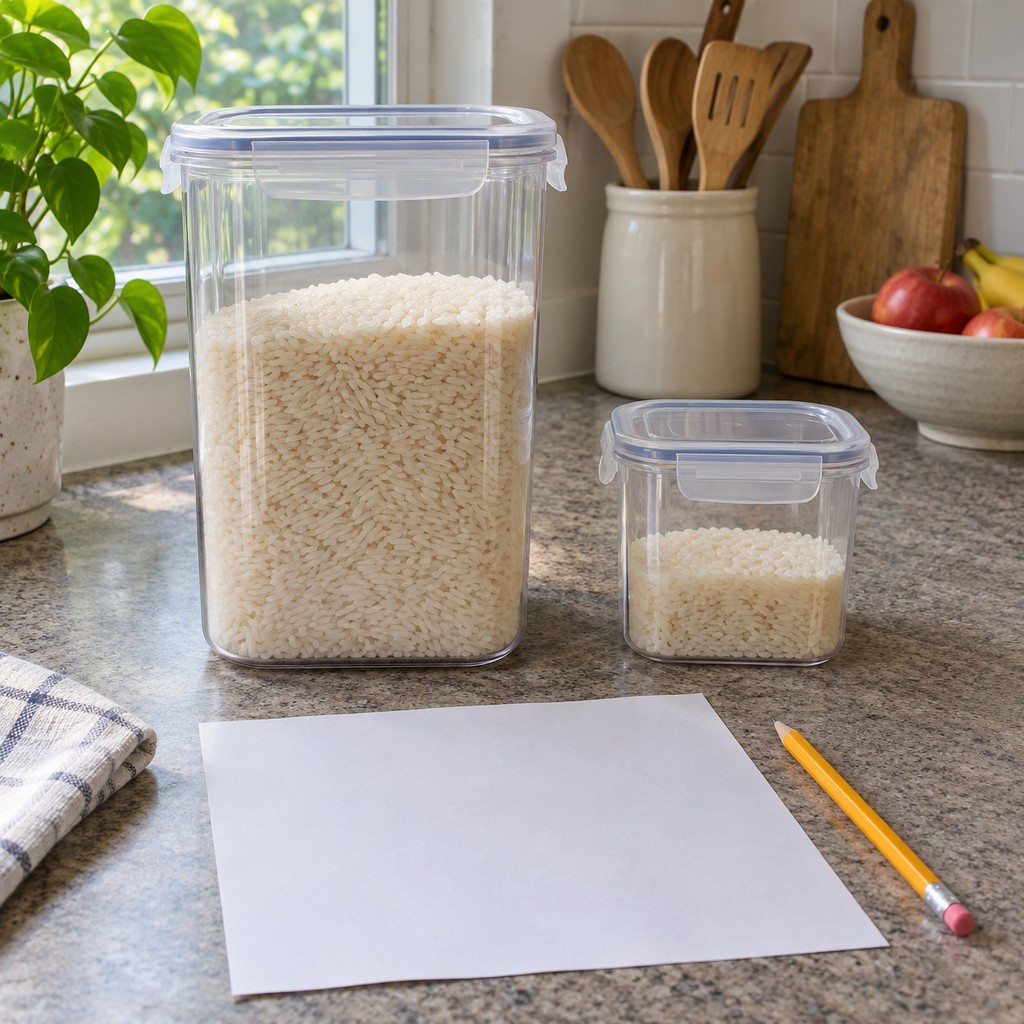
Imagine two packs of the same checked ingredient: the larger pack costs less per kilogram, but you expect to use only half before its quality or storage instructions become a problem. The smaller pack may be the more practical purchase. Conversely, a larger pack of an ingredient your household regularly uses may be worthwhile if you have suitable storage space and the initial cost fits your budget. Neither outcome is automatic.
Compare like with like. A plain ingredient and a seasoned convenience product may have different preparation time, added components and amounts you will actually eat. A product that needs several additional ingredients may cost more to turn into a meal than its shelf price suggests. Include those additions in your comparison when they would otherwise need to be purchased.
A promotion also deserves a quick pause. Ask whether you would buy and use the item without the offer, whether the quantity fits your storage arrangements, and whether the specific product still meets your requirements. A discount on food you cannot use is not a saving.
Decide where convenience earns its place
Specialty products can solve real problems. A checked gluten-free bread might make a familiar breakfast possible on a busy morning; a suitable pasta may help a household share a meal format it enjoys. The decision is whether a particular product is useful enough to justify its place in your budget, not whether specialty foods are always necessary or unnecessary.
Try assigning a purpose before buying. If a package will cover several planned breakfasts, compare its cost with other breakfasts you would actually prepare. If it is an occasional preference, buying it less often may leave more room for ingredients used across several meals. An everyday product is not automatically cheaper, and the best balance can change with local availability and your own time.
The same reasoning applies to sauces and seasoning mixes. One checked product that suits several meals may be useful, but check its actual ingredients and any information relevant to cross-contact. Kecap, stock powder and marinades can differ by product; a familiar name does not establish the contents of the bottle or packet in your hand. If a suitable product is hard to assess, use another option whose ingredients and handling you can establish while you seek clarification.
Protect the food you have chosen
Buying a suitable ingredient is only the first part of making use of it. Keep its original packaging or relevant information available, follow its storage directions, and plan how it will be handled in a shared kitchen. The NIDDK notes that cross-contact can occur during storage, preparation and serving as well as earlier in the supply chain.
For example, agree which utensil will be used to serve a shared container of rice and where it will be kept. If a condiment is shared with gluten-containing food, consider a separate portion and clean utensil before anyone begins serving. These arrangements should fit your household and your own requirements; they do not establish a universal guarantee.
When buying fresh or refrigerated food, choose quantities you can use and store according to the product’s directions. If your plans change, adjust the next shopping list to reflect what remains rather than buying the same amount automatically. Avoid treating an uncertain label or an unknown handling arrangement as acceptable merely because discarding or replacing a purchase would be frustrating.
Use one shopping trip to improve the next
After a few meals, notice which purchases were useful. Did you finish the vegetables? Did a large pack take up space without being used? Did an inexpensive item require extra ingredients or time you had not planned for? A short note on your list can make the next comparison more relevant than a generic rule about what is cheapest.
Keep the items that work for your household, change quantities that did not, and reserve specialty products for the occasions when they provide value to you. If you need help meeting nutritional needs or have questions about a medically required diet, discuss your circumstances with an appropriate health professional or registered dietitian. A lower grocery bill should not depend on guessing about ingredients or setting aside the requirements that matter to you.