A lunch that looks convenient at home can become difficult to use if it spends the morning in a warm bag or depends on a microwave that is unavailable. Before choosing a container, work backwards from where and when you expect to eat.
A gluten-free packed lunch needs two plans that work together: one for ingredients and gluten cross-contact, and another for ordinary food storage. A checked sauce does not keep cooked chicken cold, and an insulated bag does not tell you what is in a seasoning mix.
Start with the journey and the facilities
Picture the whole interval from leaving home to eating. How long is the commute? Will the bag sit in a vehicle, classroom, or office? Is there a refrigerator you can use as soon as you arrive, and is a microwave reliably available at lunchtime?
If you can refrigerate lunch at your destination, you still need a way to keep perishable food cold during transport. If you cannot, plan for cold storage in an insulated bag through lunchtime, or choose foods whose unopened packaging says they can be stored at room temperature. An insulated bag alone does not provide cooling.
Think about the return journey too. If leftovers will no longer be kept at an appropriate temperature, do not plan to save them for later. A smaller portion and a separate unopened shelf-stable snack may be easier to manage than a large meal with nowhere to store the remainder.
Build a lunch from components you can check
Start with a base you like, add an accompaniment and vegetables or fruit, then decide whether you need a sauce or seasoning. The aim is a lunch you can prepare and carry under your actual conditions, not a fixed formula for everyone.
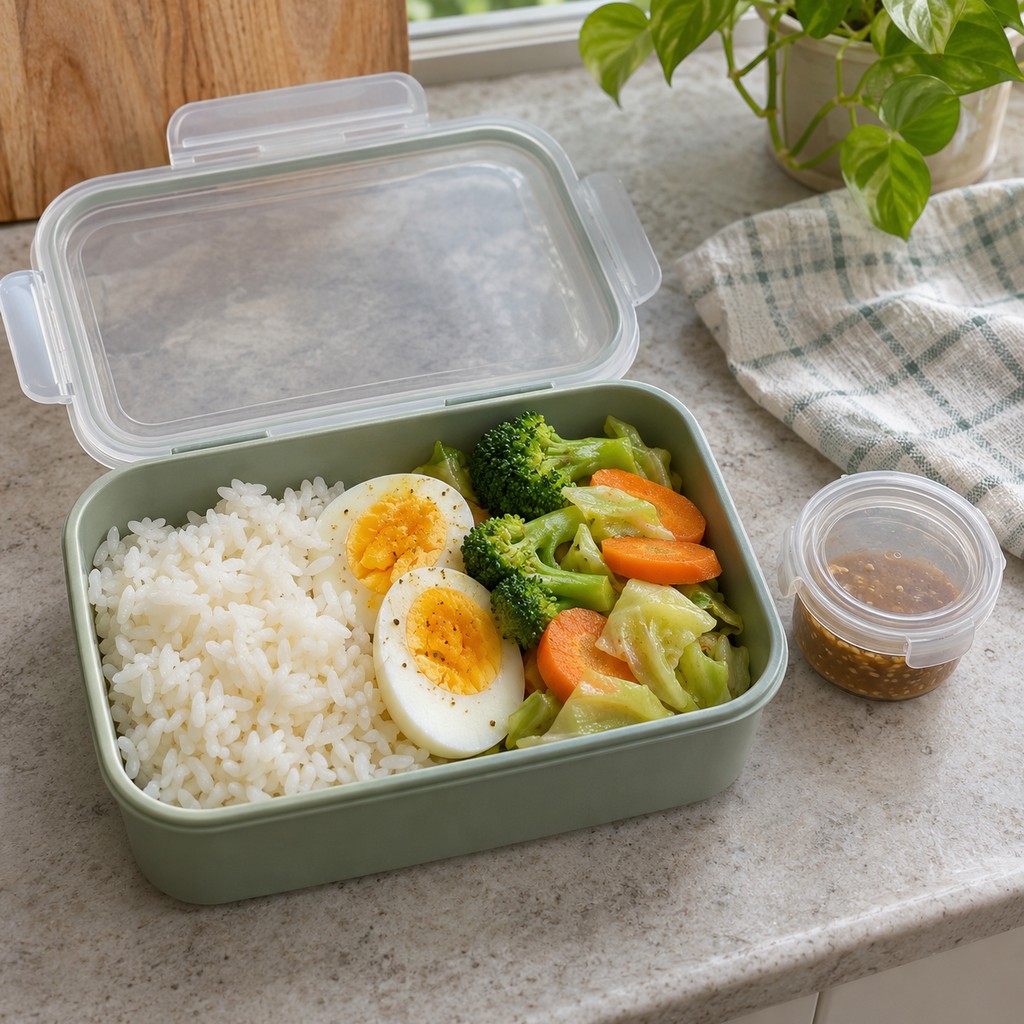
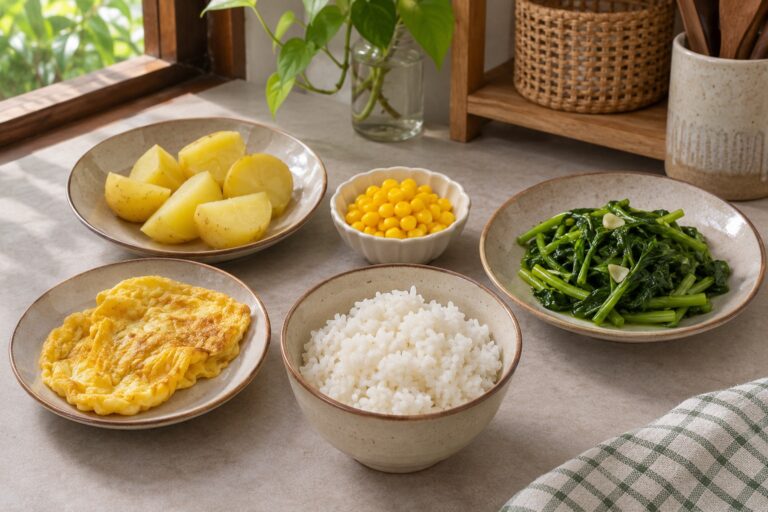
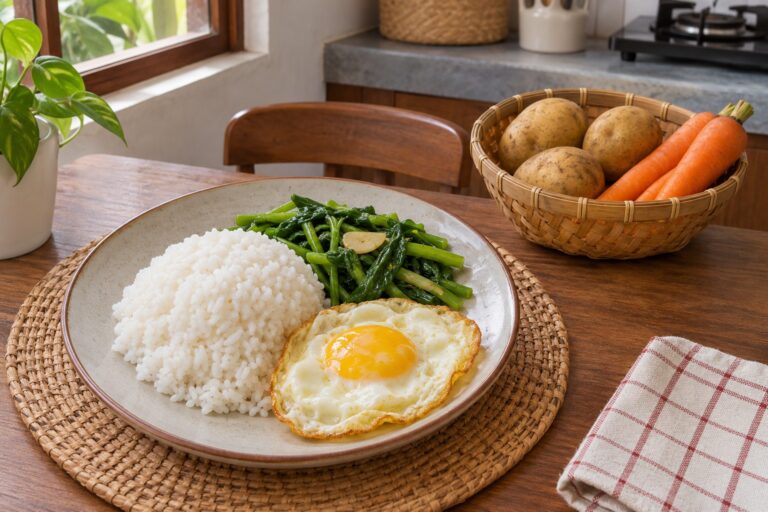
For example, you could pack plain rice with cooked egg and vegetables, or potatoes with fish and a separately packed dressing. Prepare and store the components appropriately, and check any packaged ingredients and additions. For more ideas about choosing the base, see using rice, potatoes and other staples in gluten-free meals.
The details matter more than the dish name. A rice bowl may include stock powder, kecap, marinade, fried toppings or a bottled sauce. Check the current package for each relevant product, including seasoning sachets. If a product’s ingredients or preparation information do not answer a question important to your needs, contact the manufacturer or use a component you can assess. The NIDDK guide to eating with celiac disease explains why added ingredients and cross-contact both matter.
A separate sauce container can keep a lunch appealing until you eat, but it does not make an unchecked sauce suitable. Likewise, a snack labelled gluten-free may still need checking for other ingredients you avoid.
Protect the meal while preparing and packing
In a shared kitchen, decide which utensils, surfaces and containers you will use before preparation starts. Wash hands and clean the work surface and equipment before handling the lunch. Keep gluten-containing bread, crumbs and shared spreads away from the ingredients and packing area. Use a clean spoon for the portion you are packing rather than one that has touched another person’s bread.
Pack the food in a clean, closed container. If you portion a shared dish, establish what is in it and how it was prepared and served before putting it into your lunch box. Removing a visible piece of bread or a topping afterwards does not establish what contact has already occurred.
At work or study, keep the container closed in a shared refrigerator and use your own clean utensils. If a shared microwave is needed, check its interior and clean any food residue before use; cover your meal with a clean microwave-safe cover. These steps address the handling arrangement, while ingredient and temperature decisions still need attention.
For a more focused discussion of the wider meal routine, the site’s approved parent article is Building a Practical Gluten-Free Meal Routine in Indonesia.
Keep cold food cold from home to lunch
Cooked rice, eggs, meat, fish and prepared meals need a cold-storage plan when carried for later. Refrigerate leftovers promptly in shallow or smaller containers so they cool more quickly. The US Food and Drug Administration’s refrigerator guidance recommends refrigerating perishable leftovers within two hours, or within one hour when the air temperature is above 32°C (90°F), and keeping the refrigerator at or below 4°C (40°F).
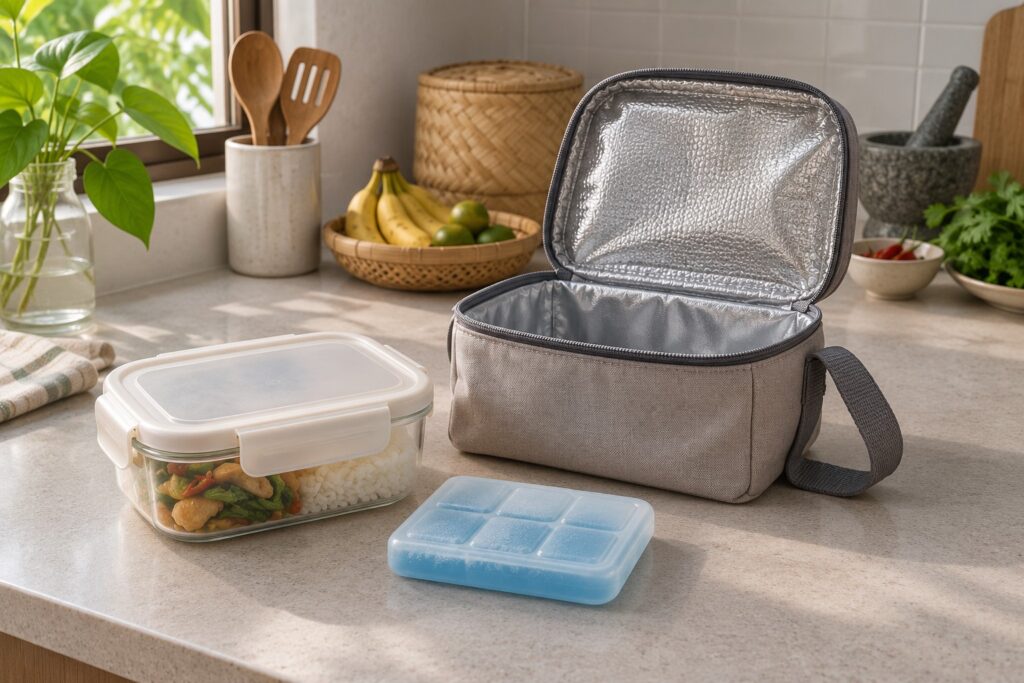
For transport, start with chilled food and use an insulated bag with frozen ice packs. Put the food into a refrigerator on arrival if one is available. If it must remain in the bag until lunch, use enough cooling to maintain the cold temperature throughout; a food thermometer helps you check the food rather than guessing from a cool-feeling bag. Keep the bag away from direct sun and hot vehicles.
As a practical US FDA reference, perishable food should not spend more than two hours out of temperature control, or one hour above 32°C. Count the whole time, including preparation, transport and waiting. If the limit has been exceeded, discard the food; reheating is not a reliable repair for improper storage. These are food-safety reference points, not a statement of Indonesian labeling law.
If you cannot keep a perishable lunch cold for the time required, change the plan. An unopened shelf-stable item can be useful, but check its actual storage instructions and what happens after opening. A product sold unrefrigerated is not automatically suitable for an opened portion left in a bag all morning.
Decide whether the meal needs reheating
A cold lunch can remove the need to queue for a microwave, provided it was prepared for cold eating and kept properly chilled. If you prefer leftovers hot, confirm the microwave and a suitable cover are available before relying on them.
The FDA’s microwave guidance recommends rotating food for more even heating, following applicable package directions and standing time, and checking the thickest part with a food thermometer. Reheat leftovers to 74°C (165°F). Stir or rearrange food where practical so a hot edge does not hide a cold centre.
Reheating is one step in the plan, not a substitute for keeping the meal cold beforehand. If you cannot establish that the microwave will be usable, pack a lunch intended to be eaten cold with suitable refrigeration, or take a shelf-stable alternative you can assess.
Make tomorrow’s lunch easier to repeat
Choose one combination that fits your schedule and write down the points that made it workable: the ingredients you checked, the container, the cooling arrangement and whether you ate it cold or reheated. Next time, change one component, such as the vegetable or checked seasoning, without rebuilding the entire plan.
Before leaving, you should know what is in the meal, how it was packed, where it will stay cold and what you will do if your expected facilities are unavailable. That gives you a practical lunch plan as well as a way to handle a change in the day.